

Top Graphic Design Trends for 2026 you should know
Graphic design is always changing, and 2026 is bringing fresh and exciting ideas. New technology, digital platforms, and user needs are shaping how designs look and feel. From bold visuals to more human and creative styles, designers are finding new ways to communicate clearly and creatively. Knowing the top graphic design trends for 2026 will help you stay updated, improve your designs, and stand out in a fast-moving creative world.
I. Understanding of Graphic Design Trends
1. What is the Graphic Design Trend?
A graphic design trend is a design style, technique, or visual approach that becomes popular for a certain period of time. These trends reflect what is happening in the world, such as changes in technology, culture, business needs, and how people consume content. As tools and platforms evolve, designers adapt their work to match new expectations and behaviors.
Graphic design trends can include things like:
- Popular colors and fonts
- Layout and composition styles
- Use of technology like AI or 3D design
- Visual moods such as minimal, bold, or playful
2. The Importance of Graphic Design Trends
Graphic design trends are important because they help designers and businesses stay modern and relevant. When visuals match current styles, they attract attention and make a strong first impression.
Design trends also improve communication. New layouts, colors, and design techniques are often created to make information clearer and more engaging. By following trends, designers can create visuals that are easier to understand and more enjoyable to interact with, especially on digital platforms like websites and social media.
In addition, graphic design trends inspire creativity and innovation. They encourage designers to try new ideas, tools, and techniques instead of repeating the same styles.
II. Top Graphic Design Trends for 2026
1. Al-Generated Design
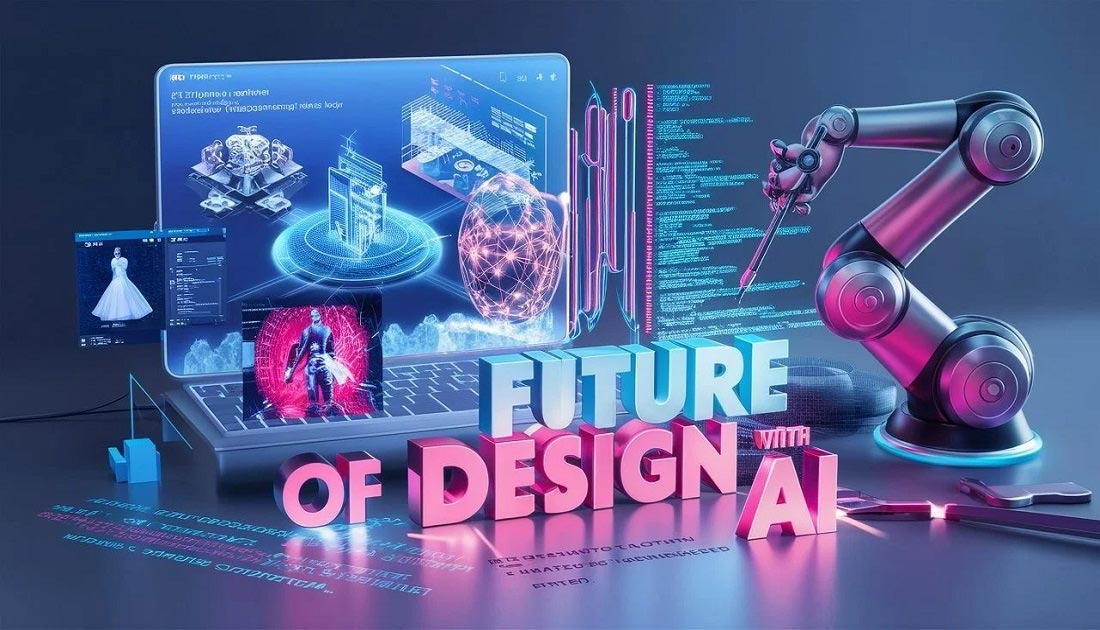
AI-generated design is a graphic design trend in which designers utilize artificial intelligence tools to assist in creating visual content, including images, layouts, posters, logos, and backgrounds. Instead of designing everything from scratch, the designer provides the AI with simple instructions or ideas, and the AI quickly generates visual results. The designer then chooses the best option and improves it by adding creativity, emotion, and meaning. This trend is popular because it saves time, allows designers to try many ideas quickly, and helps create modern and eye-catching designs.
Source: Doodl Space
2. Mixed Media Design
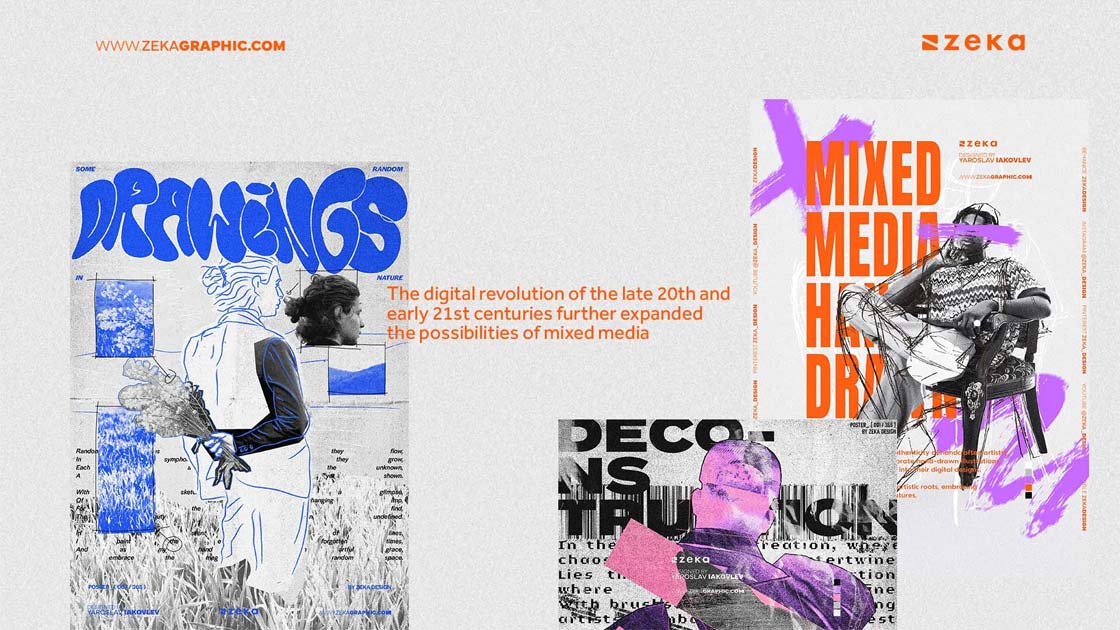
Mixed media design is a graphic design trend that combines different types of visual elements into one design to create a rich and interesting look. Instead of using only one style, designers mix things like photography, illustration, typography, textures, hand-drawn elements, digital graphics, and sometimes 3D or collage effects. This combination makes the design feel more creative, layered, and expressive.
The mixed media trend is popular because it allows designers to tell stronger stories and create visuals that stand out.
Source: Zeka Design
3. Illustration and logo mascots
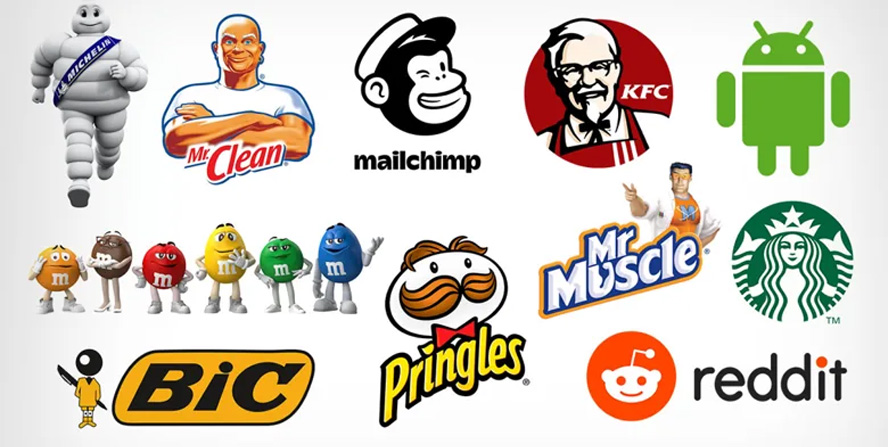
Illustration and logo mascots are a graphic design trend where brands use illustrated characters or symbols as part of their visual identity. A logo mascot is usually a character—human, animal, or imaginary that represents the brand’s personality and helps people recognize it easily. These illustrations can appear in logos, advertisements, packaging, websites, and social media.
In 2026, illustration and logo mascots are used to build stronger brand connections, stand out from competitors, and create visuals that feel warm, playful, and relatable.
Source: Design Bolts
4. Bold typography
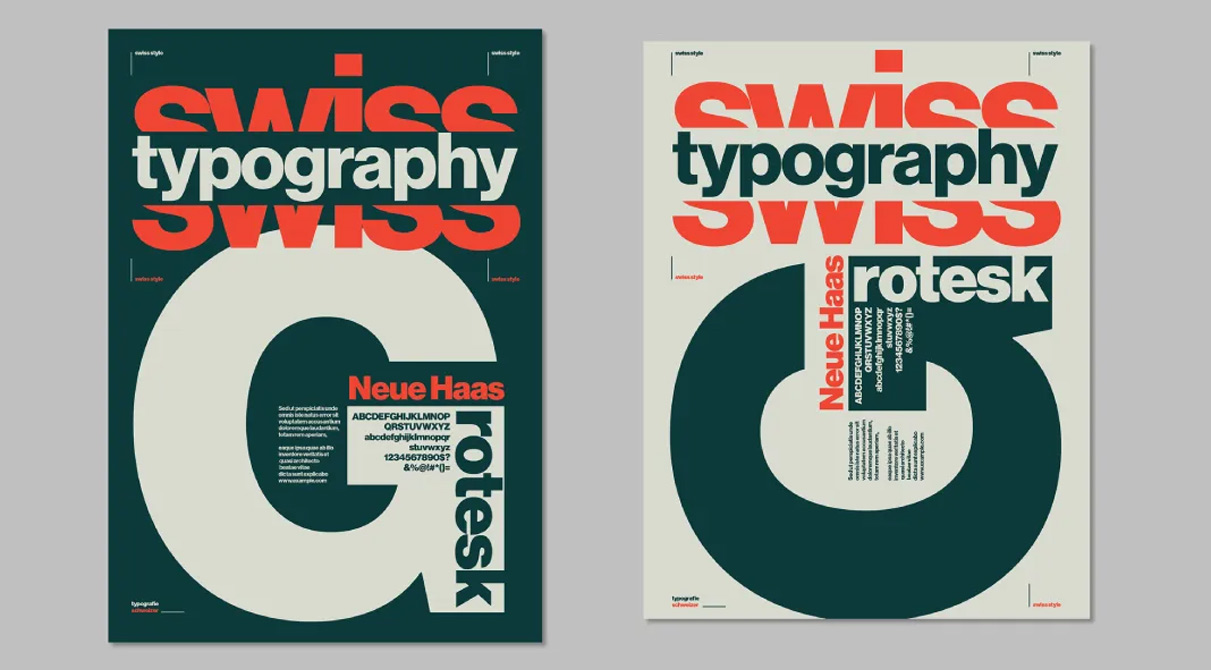
Bold typography is a graphic design trend where large, thick, and eye-catching text is used as the main focus of a design. Instead of playing a supporting role, the text becomes the most important visual element. Designers use strong fonts, heavy weights, and big sizes to immediately grab attention and clearly communicate a message.
This trend is popular because it makes designs clear, powerful, and easy to understand, especially on digital screens. In 2026, this trend often includes creative font styles, custom lettering, and expressive text that shows emotion and personality.
Source: weandthecolor
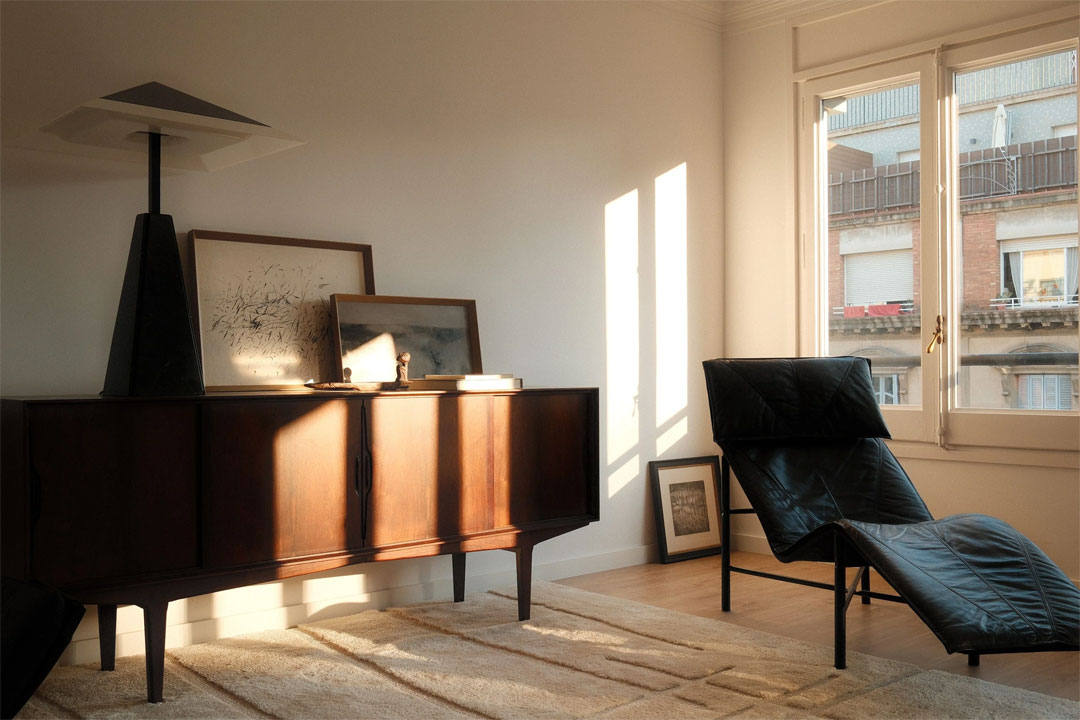
5. Vintage Minimalism
Vintage Minimalism is a design style that combines elements of minimalism with vintage or retro style. It often features clean lines and simple forms, which focus on functionality and classic or antique design elements. This style is popular in interior design, fashion, and graphic design.
Vintage minimalism is popular because it creates a strong emotional connection while staying easy to understand. It works well for branding, packaging, posters, and digital designs, especially for brands that want to look trustworthy, stylish, and long-lasting.
Source: Cultural habits
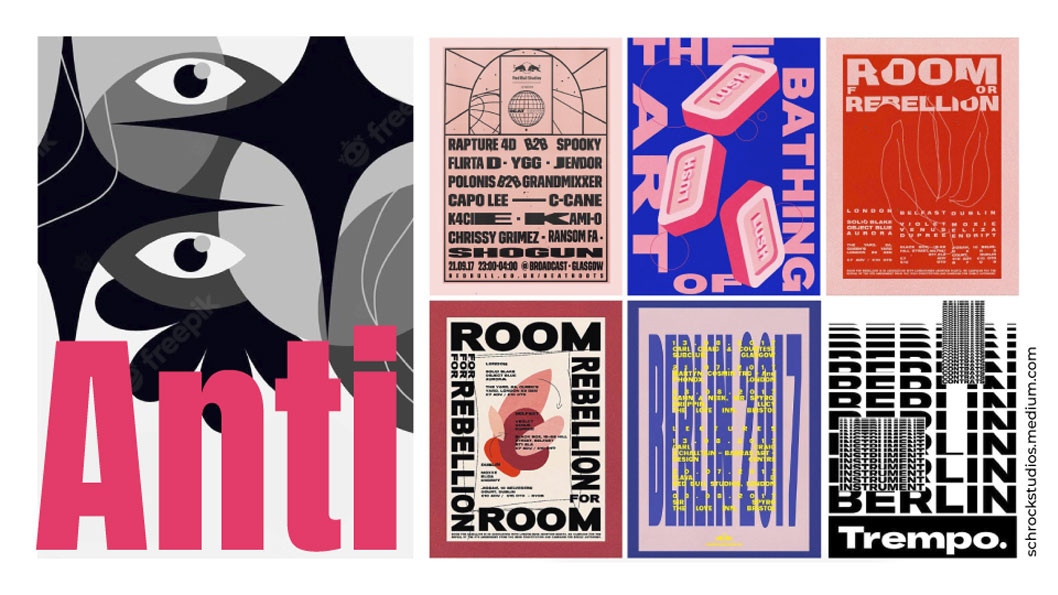
6. Anti-design
Anti-design is a graphic design trend that breaks traditional design rules on purpose. Instead of being clean, neat, and perfectly balanced, anti-design looks messy, chaotic, raw, or even “wrong.” Designers use this style to challenge perfection and create strong emotional reactions.
This trend often includes clashing colors, unusual layouts, overlapping text, distorted typography, low-quality or pixelated images, and uneven spacing. Anti-design is not careless design—it is a deliberate creative choice to stand out and express rebellion, honesty, or individuality.
Source: Doodl Space
III. Conclusion
In 2026, graphic design is all about change, creativity, and smart use of technology. New trends show a mix of modern tools like AI, bold visuals, simple layouts, and designs that feel more human and meaningful. Designers are focusing not only on how things look, but also on how designs make people feel and connect with them.
Knowing these trends helps designers stay updated and create better work. You don’t have to follow every trend, but understanding them can help you make designs that are clear, attractive, and useful. The designers who keep learning and adapting will be the ones who succeed in the future.
See More: 7 trends in 3D rendering for 2024