
The Future of AI in 3D Modeling
The last time you worked on a 3D model, you likely spent hours adjusting details, refining shapes, testing materials, and waiting for renders. 3D modeling is creative and exciting, but it also takes a lot of time and technical effort. Now imagine if your software could help you more. What if it could suggest shapes or even generate a basic model from a simple description? This is where Artificial Intelligence is starting to make a difference.
AI is slowly becoming part of 3D modeling software. It is not here to replace designers, but to support them. As technology continues to grow, AI in 3D modeling may change not only how we work but also how we think about creating in 3D.
AI Is Already Quietly Changing the Workflow
AI is not something far away in the future — it is already part of the tools many designers use every day. Features like automatic retopology, smart UV mapping, AI denoising in renders, and real-time upscaling are powered by intelligent systems working behind the scenes. These tools reduce manual work and save hours that would normally be spent fixing geometry or cleaning up noisy images. Instead of focusing on repetitive technical tasks, designers can spend more time refining ideas and improving the overall look of their projects. The change may feel small at first, but over time, these AI-powered features are reshaping the entire 3D workflow, making it faster, smoother, and more efficient.
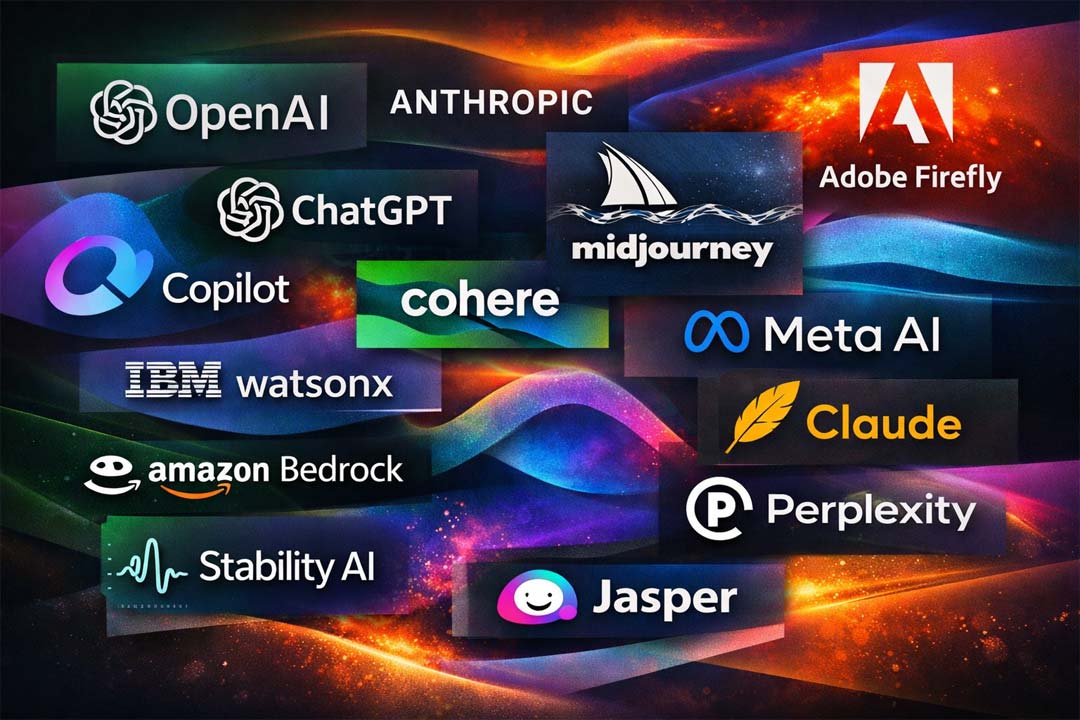
The Role of AI in Transforming 3D Creation
Artificial Intelligence is changing the way 3D content is created by making the process faster, smarter, and more efficient. Instead of building every detail manually, designers can now use AI to generate base models, suggest improvements, and automate technical tasks.
The future of 3D modeling is becoming increasingly tied to advancements in natural language processing (NLP), enabling users to create complex models through simple text prompts. This technology, known as text-to-3D model generation, is revolutionizing the field by allowing designers to focus on the creative aspects of their work, rather than getting bogged down in the technical details.
AI can analyze patterns, optimize geometry, enhance textures, and even predict lighting adjustments. This allows creators to spend less time on repetitive work and more time focusing on ideas, design quality, and storytelling.
Today, several industries are embracing AI at an unprecedented scale, integrating it deeply into their core operations and innovation strategies.
- In architecture, AI can quickly generate building concepts, optimize floor plans, and improve energy efficiency through smart simulations.
- In the game industry, AI helps create large environments, generate character variations, and automatically populate scenes with objects, saving developers significant time.
- In film and animation, AI can assist with motion capture cleanup, facial animation, and realistic visual effects.
Across these industries, AI is not replacing human creativity — it is supporting it. By handling technical and time-consuming tasks, AI allows professionals to work faster, explore more ideas, and push creative boundaries in 3D creation.
The Big Fear: Will AI Replace 3D Artists?
As AI becomes more powerful, many 3D artists worry that it might replace them. If AI can generate models, textures, and even full scenes in seconds, it’s natural to question the future of human creators. However, 3D design is more than just producing shapes. It requires creativity, style, storytelling, and understanding client needs, which AI cannot truly understand. AI works based on data and patterns, but it lacks human judgment and emotion.
In reality, AI is more likely to change the role of 3D artists rather than replace them. Artists may spend less time on repetitive technical tasks and more time directing ideas, refining results, and making creative choices.
New Skills for the AI Era
As AI becomes part of 3D modeling software, the skills designers and artists need are starting to shift. Technical modeling ability remains important, but it is no longer the sole focus. In the AI era, creators need to learn how to work with intelligent tools, not compete against them.
Instead of focusing only on manual modeling skills, future 3D artists may need to develop:
- Strong design judgment
- Clear creative direction
- Prompt crafting skills
- The ability to refine and edit AI outputs
- Adaptability to new tools
The role may shift from “builder of every polygon” to “director of intelligent systems.” That’s not a downgrade. It’s an upgrade in responsibility.
Looking 5-10 years ahead
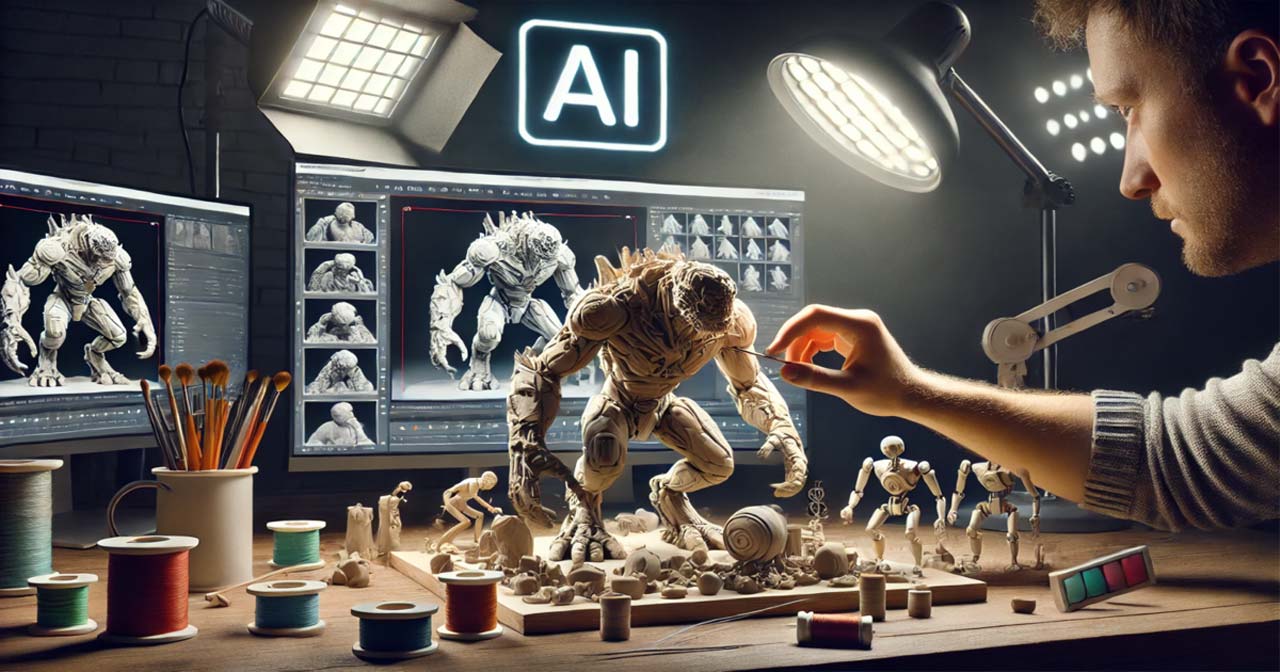
In the next five to ten years, AI will likely become a natural part of every major 3D modeling software. Instead of being a separate feature, it may be built directly into the core workflow. Designers might speak or type ideas, and the software will instantly generate draft models, suggest materials, or optimize geometry in real time.
Rendering may also become much faster. AI could help predict lighting and final results in real time, so designers do not have to wait long. Teams might work together more easily through cloud systems, sharing models and testing ideas quickly from different locations.
In my opinion, the biggest change will not just be speed — it will be mindset. Designers may spend less time building from scratch and more time directing ideas, making decisions, and refining creative concepts. The tools will become smarter, but human creativity will still guide the vision. The future of 3D creation will likely be a partnership between human imagination and intelligent technology.
Final Thoughts
The future of AI in 3D modeling isn’t about replacing artists—it’s about helping them work smarter. Tools like Blender, Autodesk Maya, and Unreal Engine are starting to use AI to handle technical tasks, so creators can focus more on ideas and design.
AI can speed up the process, but creativity and artistic vision still come from people. In the end, AI will be a powerful assistant, while humans remain the ones shaping the final result.
See More: D5 Introduces an AI-Powered End-to-End Workflow for 3D Design