

Speed vs Quality in Rendering: The New Trade-off in 2026
Nowadays, rendering is no longer only about making images look as realistic as possible. With faster computers, real-time tools, and tighter deadlines, 3D artists are expected to work more quickly and make changes faster. Speed has become just as important as quality. Because of this, 3D artists now have to find a balance between how fast they render and how good the final result looks. The challenge is knowing when high quality really matters and when a faster result is good enough. This shift has created a new trade-off—one that defines how we plan workflows, choose tools, and ultimately how we work, create, and deliver in modern 3D pipelines.
So, should you prioritize speed or quality in your workflow?
Let’s discuss more in this article!
The Old Mindset
For a long time, the main goal of 3D rendering was to achieve the highest possible quality. Artists focused on realism above everything else, trying to make images look as close to real life as they could. This often meant using high render settings, complex lighting, and detailed materials. Long render times were normal, and waiting many hours—or even days—for a final image was simply part of the job.
Speed was rarely a concern in this mindset. If a render took longer but looked better, it was considered worth it. Artists planned their schedules around render times, and powerful hardware was mainly used to push quality higher, not to work faster. Realism was seen as the ultimate standard, and quality was measured by how close a render could get to reality, no matter the cost in time or resources.
The New Trade-off
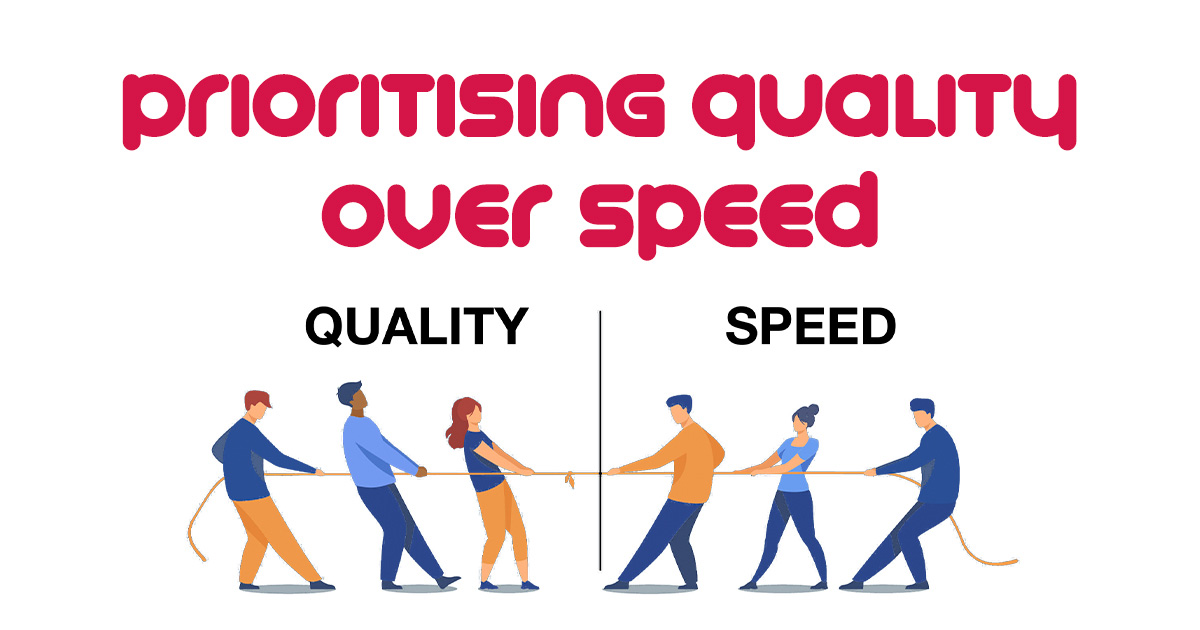
In 2026, the way artists think about rendering has clearly shifted. The focus is no longer only on how good an image can look, but on whether the extra time spent actually makes a real difference. With faster workflows, real-time previews, and constant feedback from clients and teams, artists are expected to move quickly and deliver results sooner. This means that spending many extra hours to improve small details is not always practical or necessary.
Instead of pushing quality to the maximum, artists now have to make smart choices. They ask whether higher render settings will truly improve the final result or if the difference will go unnoticed. Deadlines, budgets, and production schedules play a much bigger role in these decisions. Rendering has become less about chasing perfection and more about finding the right balance between time, quality, and purpose for each project.
Why Speed Matters and Quality Didn’t Disappear
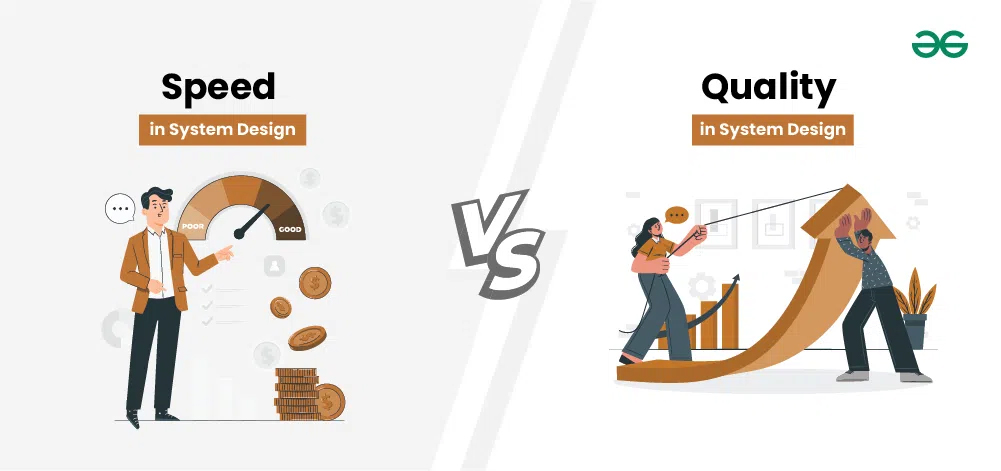
Speed matters in modern rendering because it affects more than just how fast a computer works. It directly changes how artists think, create, and communicate. When renders are fast, artists can see results quickly, make changes, and test new ideas without waiting for hours. This leads to faster feedback from clients or teammates and allows more versions to be explored. At the same time, deadlines are getting shorter, and projects move faster than ever. Speed gives artists the freedom to experiment, adjust, and improve their work, letting ideas grow naturally instead of being limited by long render times.
Quality is still important in 3D rendering, but it means something different today. Instead of focusing only on perfect realism, artists focus more on how the image looks and feels. Good lighting, clear composition, and nice colors often matter more than tiny details. Most viewers look at the overall image and do not notice small improvements. That final 10% of realism takes a lot of time, but for many projects, it does not make a big difference.
You can see an example of rendering a scene in Blender below:
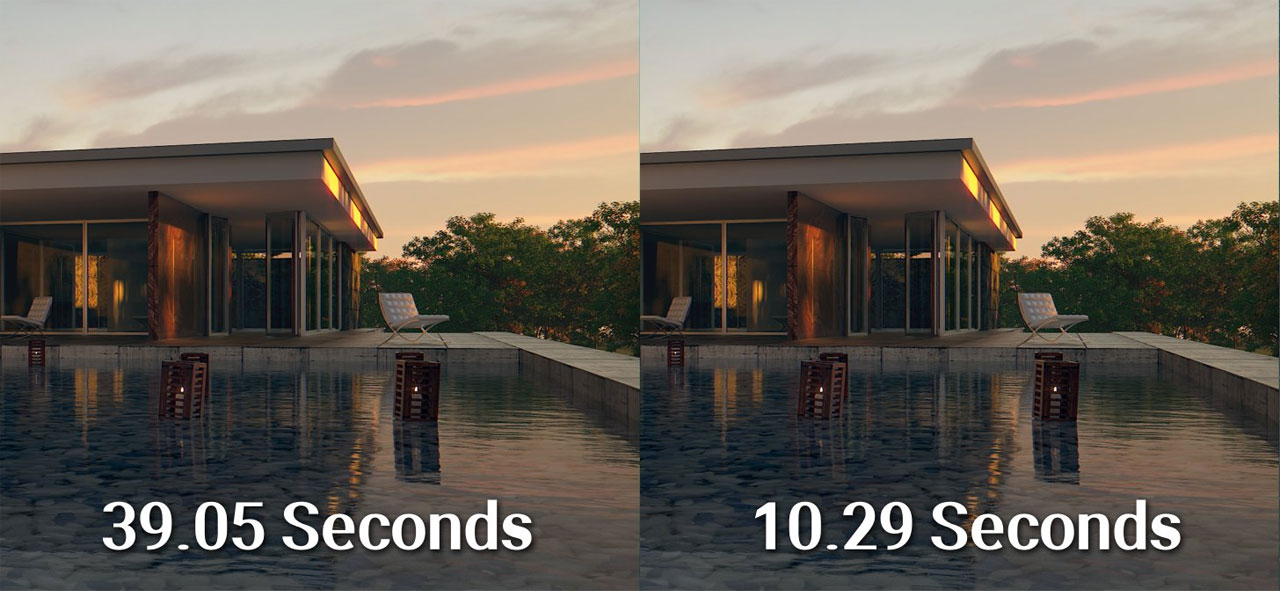
Source: Blender Nation
The key contrast is the render time displayed at the bottom:
- Left render: 39.05 seconds
- Right render: 10.29 seconds
Despite the left image taking almost four times longer to render, the final result does not look significantly better than the faster version. Overall, the image communicates a clear message: In Blender, smart optimization allows 3D artists to maintain visual fidelity while dramatically improving rendering efficiency, saving time without sacrificing quality.
What Wins in 2026
In 2026, the artists who truly stand out are not those who chase perfection in every project. They are the ones who understand balance. They know that time, quality, and purpose are connected, and changing one affects the others. Instead of pushing every render to the maximum, they ask what the project really needs and who it is for.
Great artists know when speed helps creativity and when quality needs more care. They understand that a fast, clear idea delivered on time is often more valuable than a perfect image delivered too late. This ability to choose, adjust, and prioritize is what defines skill today. In a fast-moving industry, mastering this balance is what allows artists to stay creative, efficient, and relevant.
Do You Prioritize Speed or Quality in Your Workflow?
Every artist works differently, and there is no single right answer when it comes to speed or quality. Some projects need fast results, while others need more time and attention to detail. The important thing is to understand your own workflow and know why you make certain choices. Do you focus on speed to explore ideas and meet tight deadlines, or do you slow down to push quality when it really matters? Sharing these experiences helps everyone learn and grow, because the best workflows often come from real, everyday practice.
However, if I have to choose one, I will prioritize speed first, then quality.
For example, while working on a Blender architectural scene, I start with low samples, basic lighting, and denoising enabled. This allows me to preview changes quickly, adjust materials, and fix composition without waiting for long render times. Once everything looks right, I increase samples, refine lighting, and fine-tune reflections only for the final render.
This approach saves time, keeps creativity flowing, and still delivers high-quality results when it matters most.
Conclusion
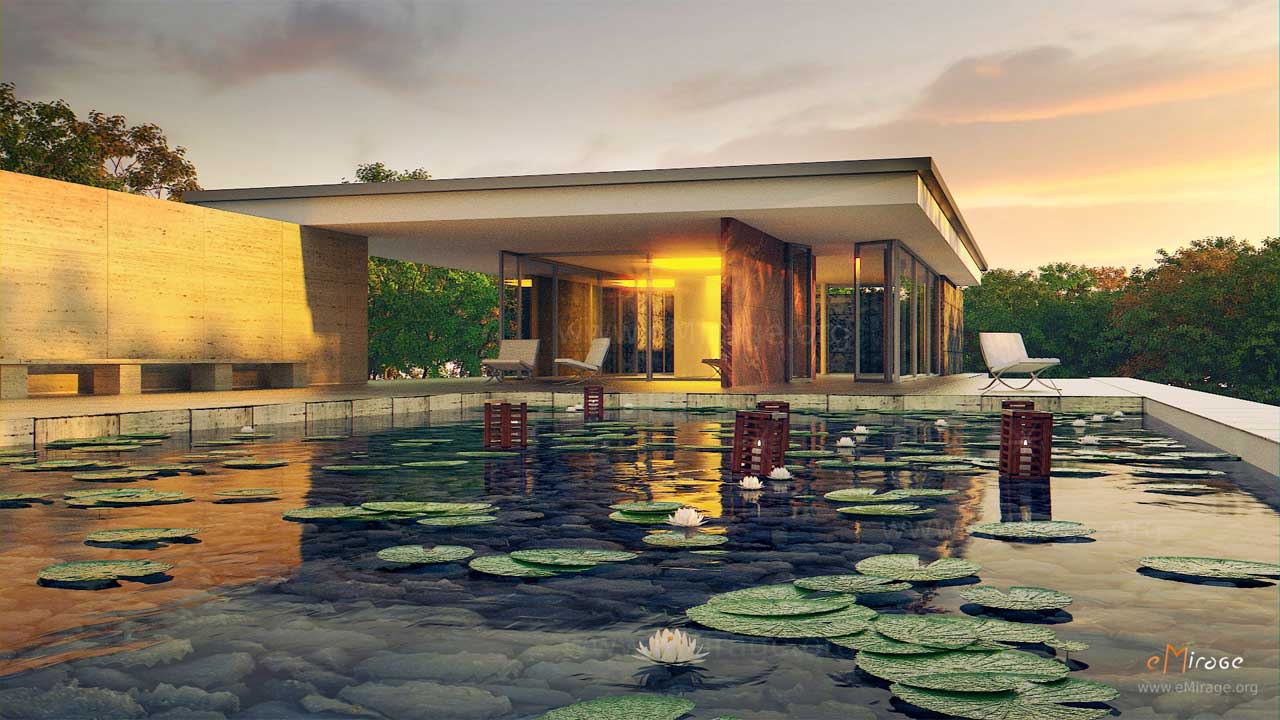
In conclusion, rendering isn’t about choosing between speed and quality anymore — it’s about using both wisely. Powerful tools now let artists get stunning results without long wait times. The real advantage comes from knowing what actually improves the image and what just slows you down. When artists work smarter instead of harder, they create faster, experiment more, and stay creative. In the end, great rendering today is less about patience and more about smart decisions.