

Best GPUs for Redshift in 2026
Redshift is a popular rendering software that utilizes your graphics card (GPU) instead of the CPU to create images and animations more efficiently. It is widely used by 3D artists and studios because it can handle complex scenes, realistic lighting, and large projects. Redshift also works very well with multiple GPUs, which can greatly reduce render times.
In 2026, graphics cards will be more powerful than ever. They offer faster performance, more memory (VRAM) to handle bigger scenes, and speed up your rendering. In this article, we’ll explain the best GPUs for Redshift, how to choose the right one based on your budget and type of work, and why a good GPU is important for smooth and efficient rendering.
Let’s discover with Radarrender!
Overview of Redshift
What is Redshift?
Redshift is a GPU-based 3D rendering software used to create realistic images and animations. Instead of relying on the computer’s CPU, Redshift uses the graphics card (GPU) to render scenes much faster. Therefore, it is a popular option for designers, artists, and studios that work in product design, architectural visualization, visual effects (VFX), and 3D animation.
Besides, Redshift is known as a biased renderer, which means it focuses on speed and efficiency while still delivering high-quality, realistic results. Users can fine-tune settings to get faster render times without sacrificing too much visual detail.

Source: Maxon Online Documentation
Prediction of Redshift in 2026
In 2026 and beyond, Redshift is expected to become even faster and easier to use as GPU technology continues to improve.
Here’s what we can expect for Redshift in 2026:
- Stronger GPU Performance
As high-end GPUs continue to improve (more VRAM, faster cores, better ray tracing), Redshift will be able to render larger, more detailed scenes even faster. Compatibility with more GPU types (including AMD) is likely to continue growing.
- Smarter Rendering with AI
Redshift already makes use of AI-based rendering and denoising technologies. These kinds of tools are likely to become deeper and more automated, allowing faster previews and cleaner final renders without heavy manual tuning.
- More Studio-Oriented Workflows
With support for render farms, USD processes, and multi-GPU systems that can produce more frames faster, Redshift’s development is headed toward improved integration with studio pipelines.
Why GPU Matters for Redshift
Redshift is designed to use the graphics processing unit (GPU) as its main source of power. Redshift performs nearly all rendering calculations, such as lighting, shadows, reflections, and ray tracing, directly on the GPU. Because of this, the quality and speed of your renders depend heavily on how powerful your graphics card is.
A strong GPU allows Redshift to render scenes much faster, which helps artists see previews quickly and finish final renders in less time. Another key factor is VRAM (video memory).
In addition, Redshift supports multi-GPU setups, meaning you can install more than one graphics card in a system to greatly increase rendering performance.
In simple terms, a better GPU means faster renders, smoother previews, and the ability to work on bigger and more detailed projects in Redshift. Choosing the right GPU is one of the most important decisions for anyone using Redshift professionally.
Best GPUs for Redshift in 2026
Redshift relies heavily on the GPU (graphics card) to do its work, so choosing the right GPU in 2026 is critical for faster previews, smoother workflows, and shorter render times.
Below are recommended GPUs for Redshift in 2026 — covering options for different budgets, workloads, and future-proof performance.
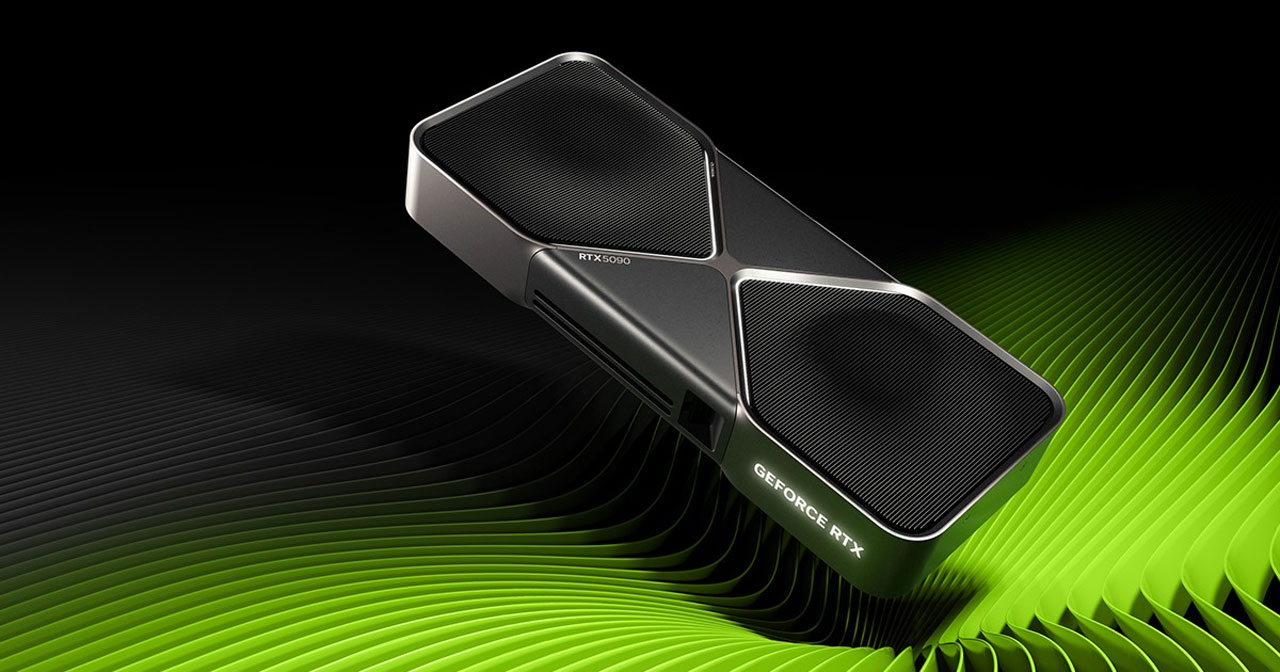
NVIDIA GeForce RTX 5090
The NVIDIA GeForce RTX 5090 is the flagship consumer graphics card from NVIDIA’s 50-series, built on the new Blackwell architecture (GB202 GPU) for enthusiasts, delivering unprecedented AI and ray tracing performance with 32GB of fast GDDR7 memory, aimed at high-end gaming, professional content creation, and advanced AI workloads with significantly higher power demands than its predecessors.
Here are the key specifications for the Nvidia Founders Edition Geforce Rtx 5090 32GB and similar NVIDIA RTX 5090 graphics cards summarized in a clear table format:
| Specification | NVIDIA RTX 5090 |
|---|---|
| CUDA Cores | 21,760 CUDA cores |
| VRAM (Memory Size) | 32 GB GDDR7 |
| Ray Tracing Cores | 170 (4th-gen) accelerate real-time ray tracing effects |
| Tensor Cores | 680 (5th-gen) units for AI workloads including DLSS |
| Base Clock Speed | ~2.01 GHz (2017 MHz) |
| Boost Clock Speed | ~2.41 GHz (2407 MHz) |
Source: NVIDIA
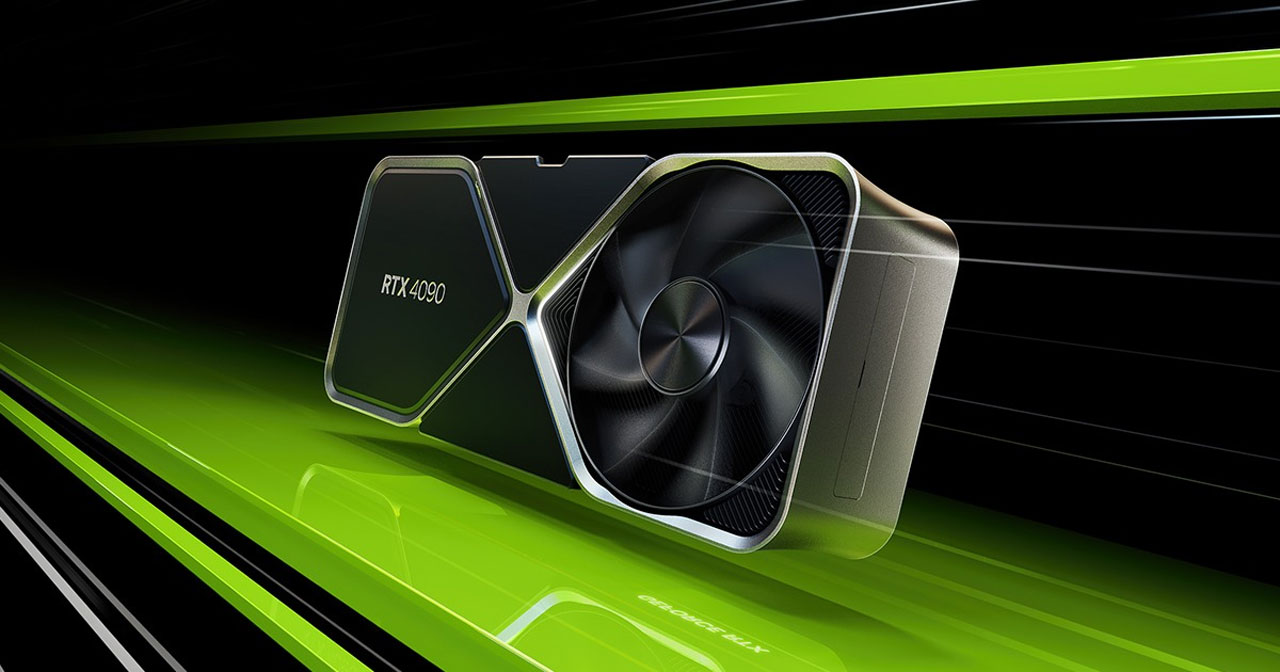
NVIDIA GeForce RTX 4090
The NVIDIA GeForce RTX 4090 is the flagship, ultimate consumer graphics card from NVIDIA’s RTX 40-series, built on the Ada Lovelace architecture, offering massive leaps in performance, AI, and efficiency for extreme gaming, detailed virtual worlds, and professional content creation, featuring 24GB GDDR6X memory, advanced ray tracing, and DLSS 3. It delivers top-tier, ultra-high-performance experiences for demanding tasks like 4K/8K gaming and creative workflows.
The NVIDIA GeForce RTX 4090 is one of the best GPUs for Redshift in 2026. It comes with 24 GB of VRAM and a powerful GPU architecture with advanced ray tracing and AI cores, which makes rendering large and complex scenes much faster and smoother.
| Specification | NVIDIA GeForce RTX 4090 |
| CUDA Cores | 16,384 CUDA cores |
| VRAM | 24 GB GDDR6X VRAM |
| Ray Tracing | Advanced ray tracing capabilities for realistic lighting, shadows |
| Tensor Cores | 4th generation Tensor Cores support AI-driven tasks |
| Clock Speed | around 2.23 GHz and up to ~2.52 GHz |
Source: NVIDIA
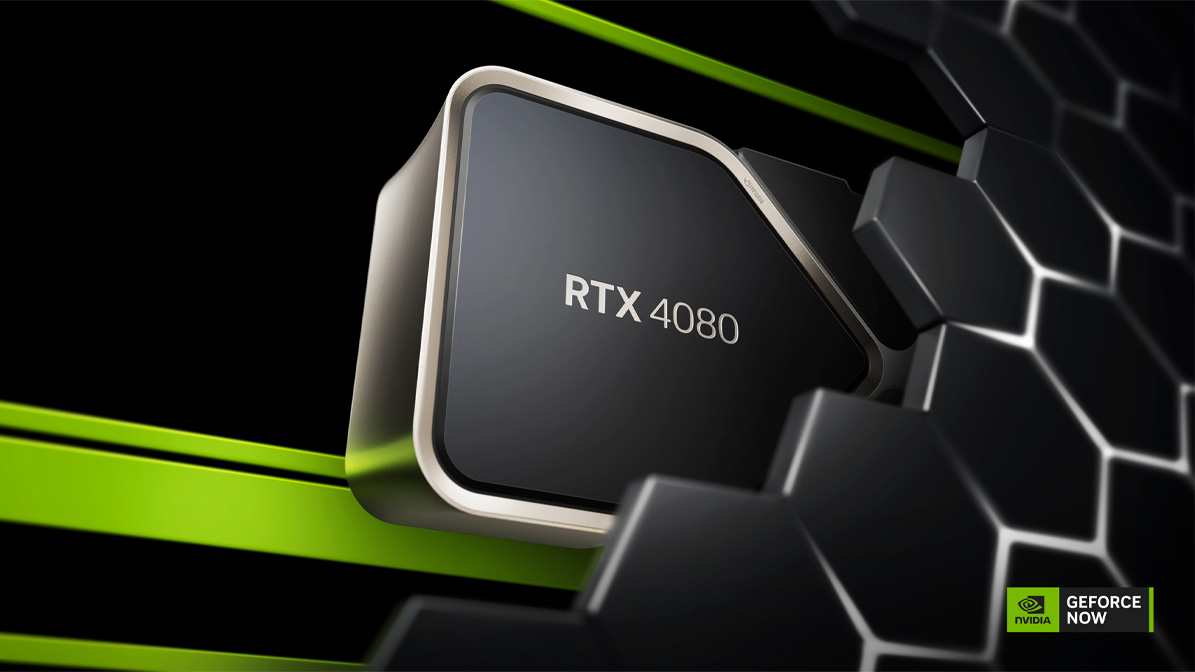
NVIDIA GeForce RTX 4080
The NVIDIA GeForce RTX 4080 is a high-performance graphics processing unit (GPU) from NVIDIA’s RTX 40 series, designed for gamers, content creators, and professionals who require top-tier graphical performance for gaming, 3D rendering, AI applications, and other demanding compute tasks.
| Specification | NVIDIA GeForce RTX 4080 |
|---|---|
| CUDA Cores | 9,728 CUDA cores (Ada Lovelace) |
| VRAM (Memory Size & Type) | 16 GB GDDR6X |
| Ray Tracing Cores | 3rd‑Gen RT Cores |
| Tensor Cores | 4th‑Gen Tensor Cores (304) |
| Base Clock Speed | ~2205 MHz (2.21 GHz) |
| Boost Clock Speed | ~2505 MHz (2.51 GHz) |
Source: NVIDIA Newsroom
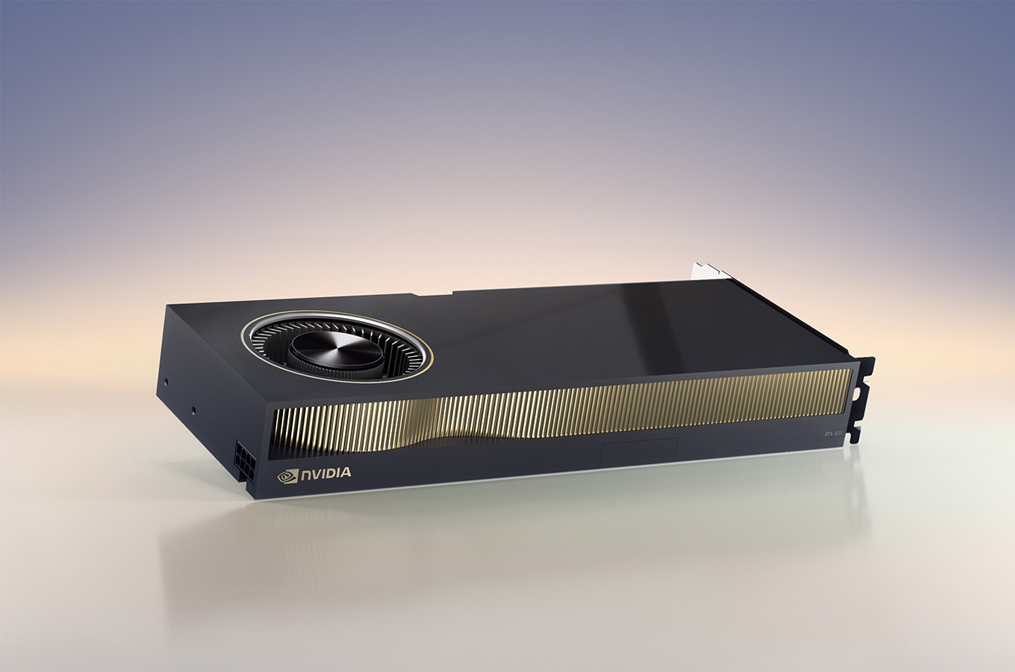
NVIDIA RTX 6000 Ada
The NVIDIA RTX 6000 Ada Generation is a top-tier professional workstation GPU, built on the Ada Lovelace architecture. It offers a large 48 GB of VRAM, which lets you handle very large scenes, high‑resolution textures, and complex lighting setups without running out of memory. Because Redshift stores scene data in GPU memory, this extra capacity helps ensure smoother rendering and fewer interruptions, especially on heavy projects used in film, architectural visualization, or product design. The RTX 6000 Ada also delivers strong ray tracing and compute performance with stable drivers designed for long render jobs and professional software support. It’s a great choice for studios and artists who need high capacity, reliability, and consistent performance in their Redshift workflows.
| Specification | NVIDIA RTX 6000 Ada |
|---|---|
| CUDA Cores | 18,176 CUDA cores |
| VRAM (Memory Size & Type) | 48 GB GDDR6 |
| Ray Tracing Cores | 142 (3rd-gen) accelerate realistic lighting, reflections |
| Tensor Cores | 568 (4th-gen) units for AI/ML tasks |
| Base Clock Speed | ~915 MHz |
| Boost Clock Speed | ~2505 MHz |
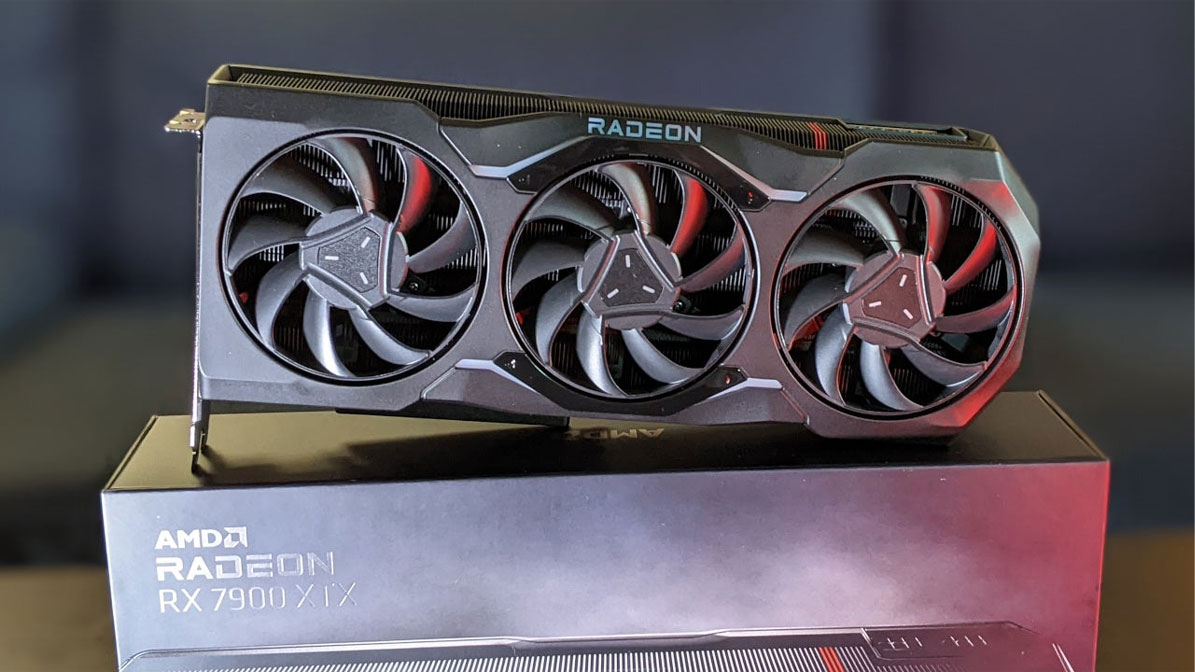
AMD Radeon RX 7900 XTX
AMD Radeon RX 7900 XTX is a high-end desktop graphics card from AMD’s Radeon RX 7000 series, built on the RDNA 3 architecture and designed for 4K gaming and demanding graphics workloads. With ample VRAM, support for ray tracing, and efficient architecture, it positions itself as a strong competitor in the high-end GPU market, catering to gamers and professionals alike.
| Specification | AMD Radeon RX 7900 XTX |
|---|---|
| CUDA Cores | 6,144 shading units (6144 cores) |
| VRAM (Memory Size & Type) | 24 GB GDDR6 |
| Ray Tracing Cores | 142 (3rd-gen) Supports real-time ray tracing with improved performance |
| Tensor Cores | AMD doesn’t use dedicated Tensor cores like NVIDIA |
| Base Clock Speed | ~1929 MHz |
| Boost Clock Speed | ~2498 MHz |
Conclusion
In 2026, Redshift works best on NVIDIA RTX GPUs because of strong support for CUDA and OptiX. The RTX 4090 is the best all-around choice, offering excellent performance, 24 GB of VRAM, and great value for most artists and studios. The RTX 5090 provides even higher performance and more VRAM for heavy scenes, while the RTX 6000 Ada is ideal for professional workflows that need maximum stability and 48 GB of memory. AMD Radeon PRO W7900 is a usable alternative, but NVIDIA GPUs are still the most reliable and efficient choice for Redshift overall.
All in all, the best GPU choice depends on your needs, the size of your projects, and your budget. Keeping up with new releases and performance tests will help you work faster and meet the demands of digital content creation in 2026. Using the right GPU makes work easier, faster, and lets artists and developers create better visuals.
See more: Best GPU for 3D Rendering: Exploring 5 options for your project