

Unity 6 and Unreal Engine 5: which one should you choose?
Choosing the right game engine is a crucial step in game development, as it directly impacts your workflow, performance, and the final quality of your game. Unity 6 and Unreal Engine 5 are two of the most popular engines today, each offering powerful tools for creating games across multiple platforms.
While Unity 6 is known for its flexibility and beginner-friendly approach, Unreal Engine stands out for its high-end graphics and advanced features. In this article, we’ll look at the key differences between Unity 6 and Unreal Engine 5 to help you decide which one best suits your project and development goals.
Let’s discuss with Radarrender!
I. Overview: Unity 6 and Unreal Engine 5
1. What is Unity 6?
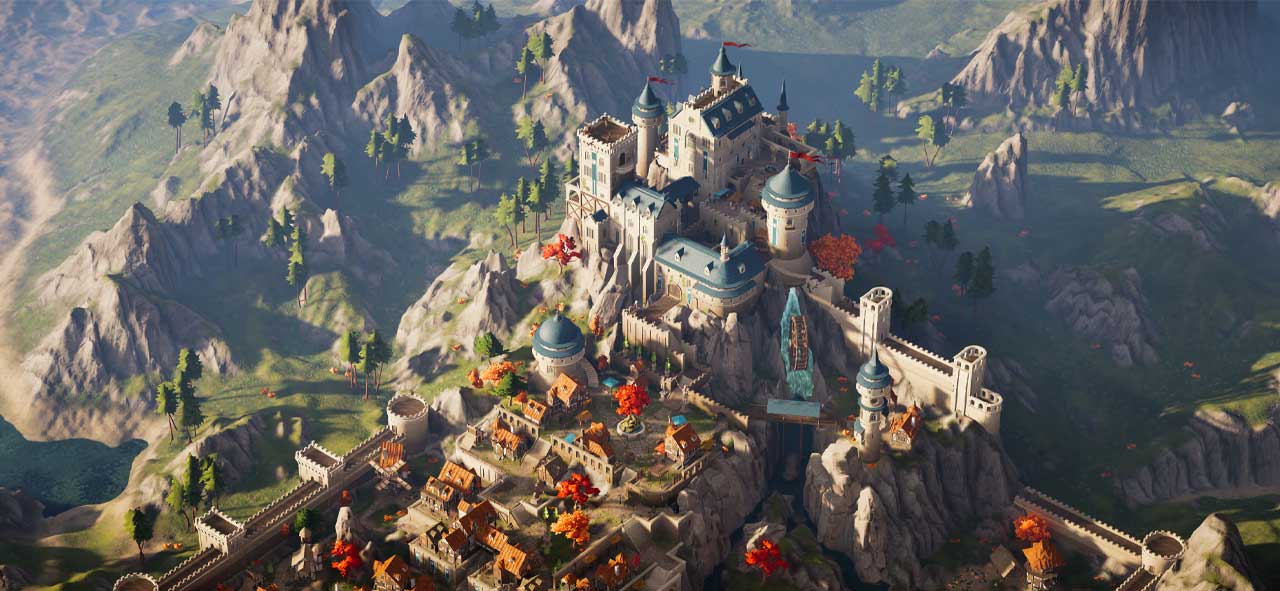
Unity 6 is the next-generation version of the Unity (game engine) game development platform, focusing on major performance boosts, advanced AI tools (Unity Muse, Sentis), simplified multiplayer creation, and better mobile/web support, offering a more stable, faster, and feature-rich experience than previous versions, with its first major release (6.0) launching in late 2024. It’s designed for smoother upgrades and introduces LTS (Long Term Support) and Supported Update releases to balance stability with new features.
Unity 6 builds on Unity’s long-standing reputation for flexibility and ease of use, while introducing improved performance, modern rendering features, and a more streamlined development workflow. It focuses on stability, scalability, and better support for modern hardware and platforms.
Source: Unity
2. What is Unreal Engine 5
Unreal Engine 5 (UE5) is a powerful, next-generation game engine developed by Epic Games. It is designed to create high-quality 3D games and real-time experiences for PC, consoles, mobile devices, and emerging technologies such as virtual production and simulation. Unreal Engine 5 is especially known for delivering cinematic, AAA-level visuals with advanced tools built directly into the engine.

Source: Unreal Engine
II. Differences of Unity 6 and Unreal Engine 5
1. Graphic Capabilities and Performance
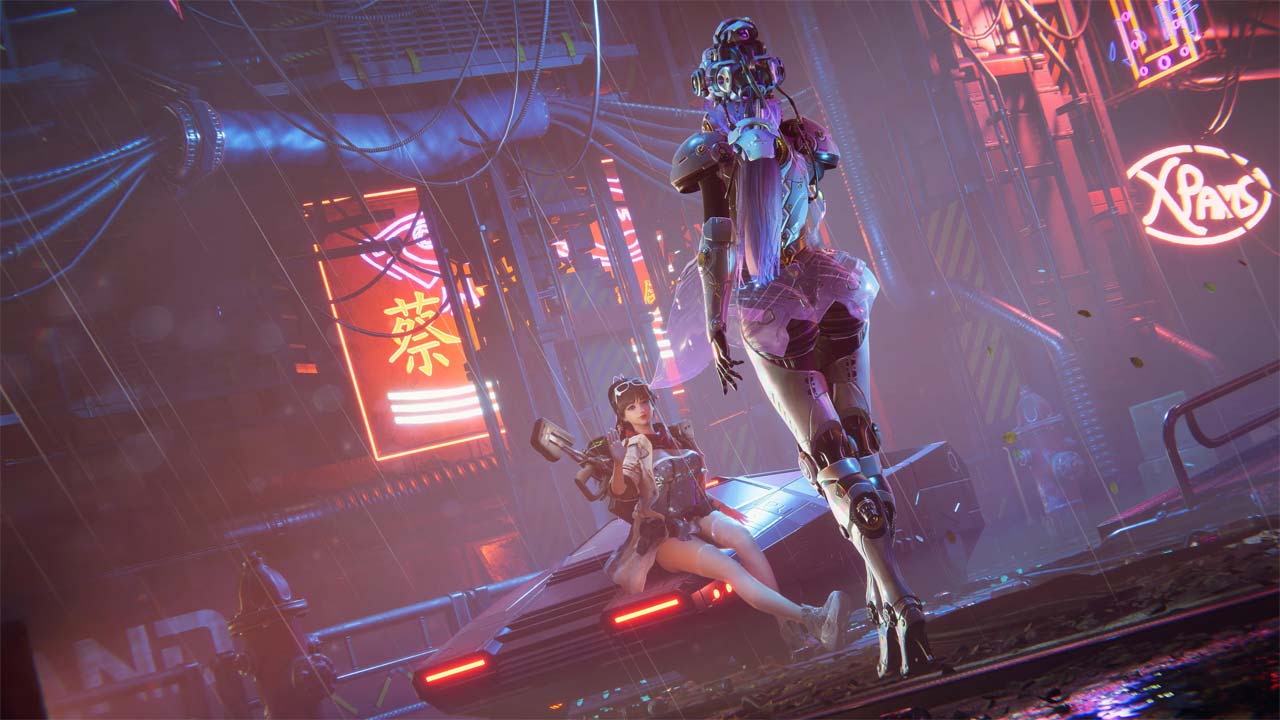
When comparing graphics and performance between Unity 6 and Unreal Engine, the main difference is what each engine is best designed for. Unity 6 focuses on flexibility and smooth performance across many devices. It offers different rendering options that let developers choose between better performance and better visuals. Because of this, Unity 6 works very well for mobile games, 2D games, VR/AR projects, and cross-platform development. Its graphics can look good, but reaching very realistic or cinematic visuals usually needs extra work.
Source: Unity
On the other hand, Unreal Engine, especially Unreal Engine 5, is built for high-quality graphics and powerful performance. It includes advanced features that allow very detailed models and realistic lighting, making games look close to real life. Unreal Engine performs best on strong hardware like gaming PCs and consoles, and is great for large open-world games and cinematic scenes. However, because it focuses on high visuals, it usually needs more system power and careful optimization.
Here’s a detailed breakdown of their graphic capabilities and performance:
| Feature | Unity 6 | Unreal Engine 5 |
| Rendering Pipelines | URP (lightweight), HDRP (high-end) | Single integrated system with advanced PBR, Nanite, and Lumen |
| Realistic Lighting | Supports baked & real-time lighting; needs setup | Real-time global illumination with Lumen |
| Detail & Geometry | Standard 3D models; LOD often manual | Nanite handles high-polygon models automatically |
| VFX & Shaders | Shader Graph, VFX Graph | Niagara VFX, advanced shaders, cinematic tools |
| Target Projects | Mobile, indie, 2D, VR/AR | AAA games, cinematic experiences, open-world games |
2. Learning curves and ease of use
When comparing ease of learning, Unity 6 is generally more beginner-friendly. Its interface is simpler, its scripting language is easier to grasp, and there is a large amount of beginner-focused learning content available. This makes Unity a popular choice for students, hobbyists, and developers new to game development.
Unreal Engine, on the other hand, has a steeper learning curve. While Blueprints help lower the barrier, fully understanding Unreal’s systems—such as rendering, animation, and memory management—can take time. Unreal is often better suited for developers who already have experience or teams that can handle its complexity.
3. Use cases
Unity 6 and Unreal Engine 5 are both powerful real-time 3D engines, but they tend to shine in different use cases due to their design philosophies, tooling, and performance focus.
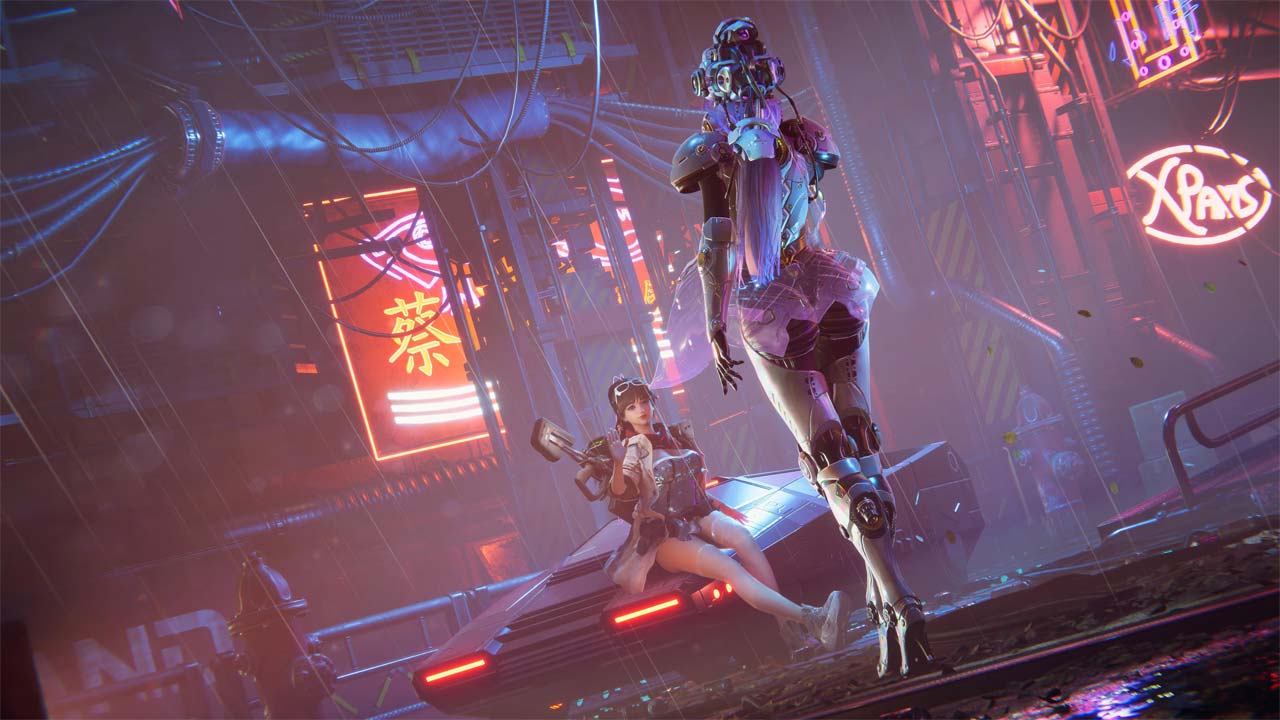
Unity 6 is widely used for mobile games, indie projects, 2D and stylized 3D games, AR/VR applications, simulations, and cross-platform apps because it is lightweight, highly flexible, and supports a broad range of devices, including low-end phones, PCs, and Web platforms. Its C# scripting, fast iteration times, and massive asset store make it especially popular with small teams, students, and developers who want rapid prototyping and easier deployment across many platforms.
Source: Unity
In contrast, Unreal Engine 5 is most commonly used for high-end AAA games, architectural visualization, film and virtual production, automotive visualization, and realistic simulations, largely because of its cutting-edge visual technologies like Nanite and Lumen, which enable extremely detailed geometry and advanced real-time lighting. Unreal’s Blueprint visual scripting and C++ foundation suit large teams and complex projects that demand photorealism and maximum performance on powerful hardware. In short, Unity 6 is often chosen when versatility, accessibility, and broad platform reach are the primary concerns, while Unreal Engine 5 is preferred when visual fidelity, realism, and large-scale, performance-intensive experiences are the primary goals.

Source: Skillshare
4. Price
Unity 6 continues Unity’s subscription-based pricing model, which no longer includes the controversial runtime or per-install fees, as those have been officially cancelled.
- Unity Personal – Free to use for individuals or teams with up to $200,000 USD in annual revenue and funding.
- Unity Pro – Paid subscription at around $210 per month per seat (or approximately $2,310 per year per seat) for professional developers and studios that exceed the Personal revenue threshold.
- Unity Enterprise and Industry plans – Custom pricing (typically negotiated), required for very large companies or specialized industrial use cases.
Unreal Engine 5 uses a different royalty-centric pricing structure for most game development:
- Free to use initially – You can download and develop with Unreal Engine 5 at no cost.
- Royalties on revenue above threshold – Epic charges a 5 % royalty on gross revenue from a product after the first $1 million USD in lifetime revenue per title, unless you qualify for special reduced rates (for example, 3.5 % under certain launch conditions on the Epic Games Store).
- Seat-based licensing (non-game uses) – For non-game applications or enterprise workflows exceeding $1 million annual revenue (e.g., architecture, film, simulation), Unreal also offers an optional seat license for around $1,850 per year per user.
In short, Unity 6 charges a subscription fee with different plans and does not take a share of your game’s revenue. Unreal Engine 5 is free to use at first, but once your game makes enough money, you must pay Epic a percentage of that revenue. The better choice depends on how big your project is and whether you prefer fixed costs or sharing revenue later.
III. Which one should you choose?
Choosing between Unity 6 and Unreal Engine 5 depends largely on your experience level, project scope, and long-term goals. Unity 6 is known for its user-friendly workflow, flexible subscription-based pricing, and strong support for mobile, 2D, and indie game development. It also offers a large asset store and a wide community, making it easier for beginners and small teams to get started.
On the other hand, Unreal Engine 5 excels in delivering high-end graphics and realistic visuals, making it a popular choice for AAA games and cinematic projects. Its royalty-based pricing allows developers to start for free, but requires sharing revenue once a game becomes successful. In the end, Unity 6 is ideal for developers seeking simplicity and predictable costs, while Unreal Engine is better suited for ambitious projects that prioritize visual quality and advanced features.
IV. Final Thoughts
In the end, the choice between Unity 6 and Unreal Engine 5 isn’t about which engine is “better,” but which one fits your vision.
Both Unity 6 and Unreal Engine are powerful tools, and the best choice depends on your needs. Unity 6 is great for beginners, indie developers, and projects that need simple tools and clear costs. Unreal Engine is better for large, visually impressive games with advanced features. Choose the engine that fits your goals—and start building your game.